Why Japanese Travelers Return to Arakurayama Every Single Spring — And What That Ritual Can Teach Americans

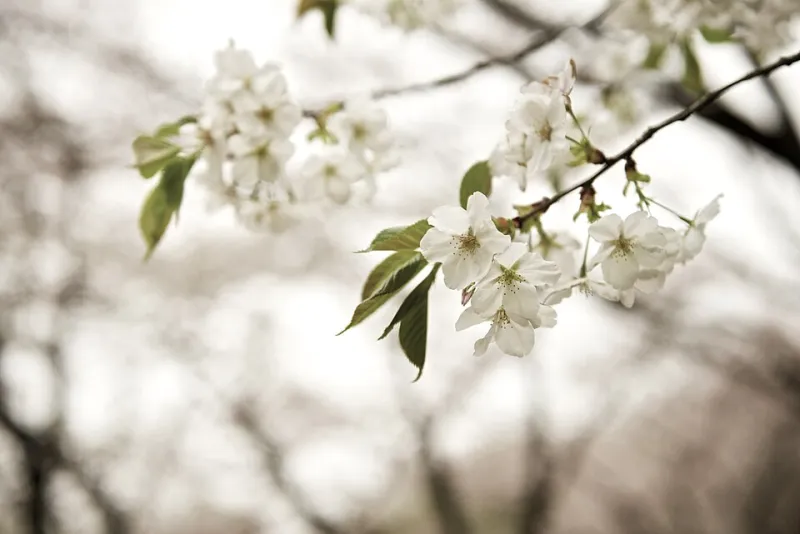
Photo: Japanese travelers sitting under cherry blossom trees hanami peaceful spring ritual, via sincereonetech.com
If you ask most American tourists why they want to visit Arakurayama during cherry blossom season, the answer usually involves a photograph. Specifically, the photograph — Chureito Pagoda rising above a sea of pink blossoms with Mount Fuji framed perfectly in the background. It's one of the most recognizable images in travel photography, and chasing it is a completely legitimate reason to book a flight.
But spend a little time talking to Japanese visitors at Arakurayama — the ones who aren't consulting their camera apps, who seem unhurried even on a crowded Saturday — and you start to notice something different is going on. Many of them have been coming to this mountain for years, sometimes decades. They're not here for the first time. They're here again, on purpose, and the return itself is the point.
That distinction matters more than it might seem.
What Hanami Actually Means
Most Americans have heard the word hanami — it translates roughly as "flower viewing," and it's often described as the Japanese tradition of picnicking under cherry blossoms. That framing is accurate but incomplete, kind of like describing Thanksgiving as "a meal with family." Technically true, but missing the whole weight of it.
Hanami has roots going back over a thousand years in Japan. The practice was originally tied to aristocratic culture and agricultural ritual — cherry blossoms were read as omens for the rice harvest, and their arrival was cause for both celebration and solemn attention. Over centuries, the tradition evolved and democratized, but the underlying philosophy stayed intact.
At the center of that philosophy is mono no aware — a Japanese aesthetic concept that loosely translates as the bittersweet awareness of impermanence. Cherry blossoms are the perfect symbol for it. They bloom intensely for a week or two, then fall. Their beauty is inseparable from their brevity. Sitting under a sakura tree isn't just pleasant; it's a deliberate act of paying attention to something fleeting, which in Japan has long been understood as a kind of spiritual practice.
When Japanese visitors make the trip to Arakurayama every spring, many of them are participating in something that operates on this level — consciously or not.
The Pilgrimage Pattern
There's a word that comes up in conversations with repeat visitors to sacred or meaningful places in Japan: junrei, or pilgrimage. It's usually associated with religious circuits like the famous 88-temple Shikoku pilgrimage. But the concept bleeds into secular life in interesting ways.
For some Japanese travelers, the annual cherry blossom trip functions as a personal pilgrimage — a structured return to a specific place at a specific time of year, which creates continuity across years and life stages. People come to Arakurayama as students, then as young professionals, then with partners, then with children, then with aging parents. The mountain stays constant while their lives change around it. Each visit becomes a kind of measurement — of time, of relationships, of who they were and who they're becoming.
This is genuinely different from how most Americans approach travel, which tends to emphasize novelty. The cultural script we operate with says the goal is to go somewhere new, see something you haven't seen before, collect the experience. Returning to the same destination year after year can feel like a failure of ambition, or at least a waste of vacation days.
The Japanese hanami pilgrimage model challenges that script directly.
What Americans Can Actually Take From This
Here's the honest thing: you don't need to be Japanese or Buddhist or particularly philosophical to get something real out of the hanami approach. You just need to make a few deliberate shifts in how you show up.
Slow down the itinerary. The instinct when visiting somewhere as visually dramatic as Arakurayama is to optimize — hit the viewpoints, get the shots, move on. Try building in time that has no objective. Find a spot under the trees, sit down, and just watch the petals fall for twenty minutes. This sounds simple. It's actually harder than it sounds if you're used to keeping busy.
Leave the agenda at the trailhead. One of the things that makes repeat Japanese visitors easy to spot at Arakurayama is that they don't seem to be working through a checklist. They wander. They double back. They stop when something catches their attention. For Americans who've built a tight Japan itinerary around maximizing coverage, this kind of unstructured time can feel almost uncomfortable — but it's where the actual experience tends to happen.
Consider going back. This is the big one. If you visit Arakurayama once and love it, the conventional American travel instinct is to put it in the "done" column and find somewhere new next time. The hanami pilgrimage model suggests a different possibility: what if you came back next spring? And the one after that? The mountain looks different every year — bloom timing shifts, weather changes the light, and you yourself will be different. There's a whole layer of experience that only reveals itself through return visits.
Mark the moment. Many Japanese visitors bring something to Arakurayama that connects them to previous visits — a journal, a specific food, a practice of photographing the same view year after year to track changes. Creating your own small ritual around the visit anchors it in memory differently than a collection of photos.
A Different Kind of Souvenir
The photograph from Arakurayama is worth taking. The mountain genuinely looks like that, and capturing it is part of engaging with the place. But the travelers who seem to carry something deeper away from Arakurayama are usually the ones who came for more than the image.
They came to feel the specific quality of that spring light, to sit with the knowledge that the blossoms will be gone in a week, to be briefly and deliberately present in a place that rewards presence. That's not a uniquely Japanese capacity. It's just a skill that the hanami tradition has been quietly teaching for centuries — and one that any traveler, from anywhere, can start practicing the moment they step onto the mountain.