Beyond the Postcard: How Arakurayama Is Turning Casual Cherry Blossom Tourists Into Mountain Devotees
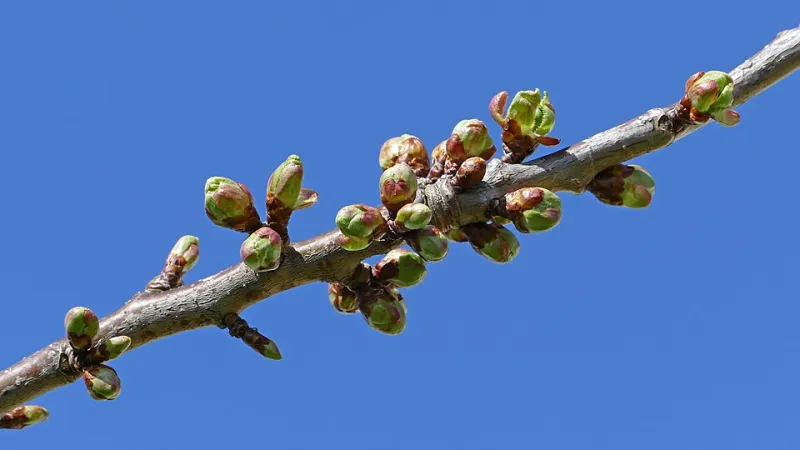
Photo: Vasile Cotovanu from Zürich, Switzerland, CC BY 2.0, via Wikimedia Commons
There's a moment that happens to a lot of American visitors at Arakurayama. They've climbed the stone steps to Chureito Pagoda, they've framed the shot with Mount Fuji hovering behind a curtain of pink blossoms, and they've posted it. And then—they look around. The crowds are thick. The light is flat. And somewhere behind them, a trail disappears into the cedar forest, quiet and unhurried, with nobody on it.
That's the moment the mountain starts doing its thing.
The Shift From Spectator to Participant
For years, Arakurayama occupied a specific slot in the American Japan itinerary: day trip from Tokyo, pagoda photo, shinkansen back by dinner. It was a checkbox destination—beautiful, yes, but consumed rather than experienced. That pattern is changing, and pretty dramatically.
More US travelers are now building multi-day stays around Arakurayama, using the nearby town of Fujiyoshida as a base rather than a pit stop. Travel forums and social media threads are filling up with a different kind of content—not just the iconic pagoda shot, but posts about the Sengen Shrine's cedar-lined approach path, the lesser-known viewpoints along the Shimoyoshida Honcho Street, and the strange, meditative calm that settles over the mountain once you get even a few hundred meters from the main tourist corridor.
What's driving this? Partly it's crowd fatigue. The Chureito viewpoint during peak bloom is genuinely packed—elbow-to-elbow packed, show-up-at-4am-if-you-want-space packed. Travelers who've done that once often come back specifically to do something different.
But there's more to it than just avoiding crowds.
The Mountain Has a Philosophy Baked Into It
Arakurayama isn't just a scenic backdrop. It's a sacred site in the most literal sense—the Arakura Fuji Sengen Shrine at its base has been drawing pilgrims for centuries, and the mountain itself is considered spiritually significant within the tradition of Fuji-ko, the folk religion centered on Mount Fuji worship. When you hike through those trails, you're walking paths that generations of Japanese people walked as acts of devotion, not recreation.
That context lands differently for wellness-oriented American travelers than a standard sightseeing experience does. The concept of satoyama—the Japanese idea of the transitional landscape between lowland villages and mountain wilderness—describes Arakurayama almost perfectly. It's not wild backcountry, and it's not manicured parkland. It's something in between: a place where human culture and natural cycles have been quietly negotiating with each other for a very long time.
Hikers who take the time to go past Chureito and continue up the mountain's network of connecting trails often describe a feeling that's hard to articulate. The forest gets denser. The sound of the crowds below fades. The cherry trees up here are older, gnarlier, less perfectly photogenic—and somehow more moving for it.
What the Trails Actually Offer
Let's get specific, because Arakurayama's trail network is genuinely underutilized by foreign visitors.
The main climb to Chureito involves roughly 400 steps from the shrine gate—steep enough to feel like an accomplishment, but manageable for most fitness levels. Beyond the pagoda, though, the trails extend further up the mountain, connecting to viewpoints that offer completely different angles on Fuji and the Fuji Five Lakes region below.
The forest along these upper routes is dominated by Japanese cedar and cypress, with understory plants that shift noticeably through the seasons. During cherry blossom season, you'll catch late-blooming mountain varieties (yamazakura) at higher elevations even after the famous Somei Yoshino trees at the base have dropped their petals—a phenomenon that effectively extends your bloom window if you're willing to put in the steps.
The descent on the western side of the mountain takes you through quieter residential streets in Fujiyoshida, where you can stumble into local bakeries, small ramen shops, and a general atmosphere that feels nothing like tourist Japan. That contrast—sacred mountain, working-class town, world-famous volcano framed at the end of every street—is genuinely unlike anything else in the country.
Why This Particular Mountain Resonates With American Wellness Culture
It would be easy to dismiss the wellness angle as trend-chasing, but there's something real here. American interest in forest bathing (shinrin-yoku), mindfulness, and nature-based stress relief has been building for years, and Arakurayama offers an unusually accessible entry point into these practices within an authentically Japanese context.
You don't have to sign up for a guided meditation retreat or pay for a wellness experience. You just walk. The mountain provides the rest—the filtered light through old-growth cedar, the smell of damp earth after rain, the physical rhythm of climbing stone steps that have been worn smooth by centuries of feet.
Several travelers who've written about their Arakurayama experiences describe something similar: arriving as a tourist and leaving feeling like they'd actually been somewhere. That's a rarer outcome than it should be in heavily visited destinations, and it says something about what the mountain offers when you're willing to look past the pagoda.
How to Make the Most of This Approach
If you're planning a trip and want to experience Arakurayama this way, a few practical notes:
Stay local. Fujiyoshida has accommodation options ranging from budget guesthouses to mid-range hotels. Staying here rather than commuting from Tokyo completely changes the experience—you can hit the trails at dawn before the day-trippers arrive.
Give yourself two days minimum. One day for the main Chureito climb and surrounding area; a second day to explore the upper trails and the Sengen Shrine complex at a slower pace.
Talk to the shrine staff. The Arakura Fuji Sengen Shrine has attendants who are often willing to share information about the mountain's history and spiritual significance. Even a brief exchange—through translation apps if needed—adds a layer of meaning that no guidebook can replicate.
Resist the urge to optimize. The travelers who get the most out of Arakurayama are the ones who build in unscheduled time. Let yourself get a little lost on the upper trails. Sit with the view for longer than feels necessary. The mountain rewards patience in a way that most Instagram-optimized destinations simply don't.
The postcard version of Arakurayama is genuinely beautiful. But the version you find when you put the camera down and keep walking? That one tends to stick with you.