After the Sakura: Arakurayama's Wildflower Season Is a Whole Second Show

Photo: Japanese mountain wildflowers azalea wisteria spring bloom trail, via saudelab.com
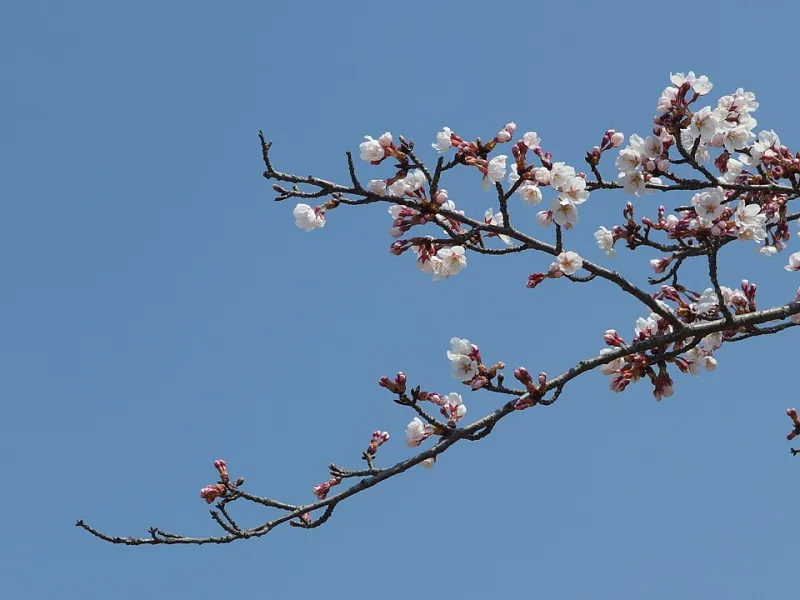
Every spring, millions of travelers time their Japan trips around cherry blossom forecasts, jostling for that perfect shot of Chureito Pagoda framed by pink clouds. And then, almost overnight, they leave. The crowds thin, the tour buses clear out, and Arakurayama — the mountain everyone came to see — quietly gets to work on something most visitors never stick around to witness.
What happens after peak sakura season is, ecologically speaking, one of the most interesting botanical sequences in Japan. The mountain doesn't go dormant. It transforms. If you're a hiker, a nature photographer, or someone who just genuinely loves wildflowers, a late April through June return trip to Arakurayama might honestly rival the famous sakura rush — and you'll have the trails largely to yourself.
Why the Bloom Doesn't End When the Petals Drop
Cherry blossoms get the headlines, but they're just the opening act in a layered ecological story. Arakurayama sits at an elevation that creates what botanists call a bloom succession — a staggered sequence where different species flower as temperatures gradually rise and light conditions shift up the slope.
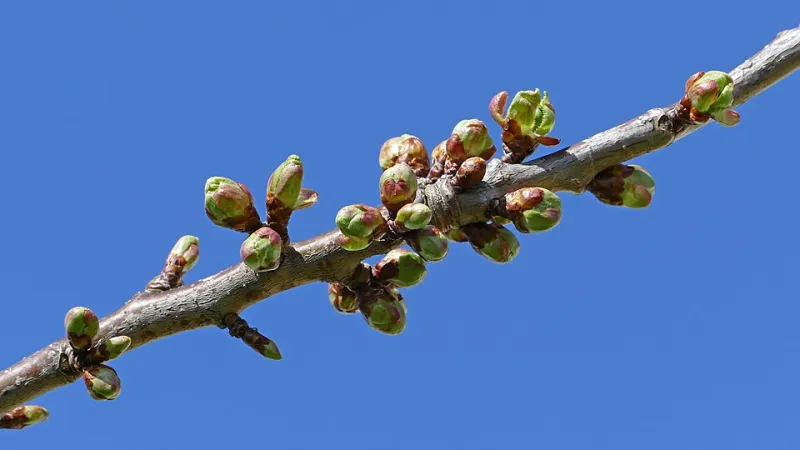
When the yoshino cherries at the lower elevations drop their petals in early to mid-April, the mountain's canopy is actually opening up. More sunlight reaches the understory. Soil temperatures tick upward. That combination triggers a cascade of flowering species that move progressively higher up the mountain through late spring and into early summer.
Think of it less like a single event and more like a relay race — each plant passing the baton to the next as conditions ripen.
Azaleas: The Underrated Headliner
The first major wave after sakura is the azalea bloom, and it's genuinely spectacular. In Japan, azaleas (tsutsuji) are deeply woven into spring culture — they're just consistently upstaged by cherry blossoms in Western travel media.
Around Arakurayama, azalea season typically peaks in late April to early May, though microclimates on north-facing slopes can push it closer to mid-May. The colors run hot: deep fuchsia, coral, and electric purple clustered against the mountain's green understory. For photographers, the contrast between the saturated blooms and the fresh spring foliage creates a completely different palette than the soft pink-and-gray of sakura season.
If you're hiking the trails above Arakurayama Sengen Park, keep an eye on the shrubby mid-slope sections — that's where azalea density tends to be highest.
Wisteria: When the Mountain Gets Dramatic
By mid to late May, wisteria (fuji) starts doing its thing, and it is not subtle. Cascading purple-blue clusters hang from vines that can reach genuinely impressive lengths, draping over trellises, old trees, and rocky outcroppings along the lower trail sections.
Wisteria has a fragrance that's hard to describe without sounding like a candle catalog, but it's legitimately intoxicating on a warm afternoon with a light breeze moving through. Timing matters here — peak wisteria can be a narrow window of one to two weeks, and a rainy spell can knock the blooms quickly. If you're planning specifically around wisteria, build some flexibility into your schedule.
The combination of wisteria and the mountain's mid-spring greenery also makes for strong macro photography. The flower clusters have a structural complexity that rewards a longer lens.
Alpine Wildflowers: The Quiet Finale
As you move into June, the action shifts higher up the slope. This is where things get genuinely interesting from a botanical science perspective. The upper elevations of Arakurayama support a mix of alpine and subalpine wildflower species that most casual visitors never encounter — partly because they require more hiking effort, and partly because nobody's talking about them.
Species like yamabuki (Japanese kerria, with its bright golden-yellow flowers), various violet species, and delicate woodland anemones move through their cycles across the upper trail sections. The mountain's stream corridors are particularly worth exploring in June — moisture-loving species cluster along these zones in ways that feel almost tropical in their density.
For anyone with a background in botany or plant ecology, this upper-elevation zone is genuinely rewarding. The species composition reflects the mountain's position at an interesting transitional latitude, mixing warmer lowland flora with cooler montane species.
Practical Notes for Planning a Post-Sakura Trip
Timing your visit: The broadest window for catching multiple succession species runs from late April through early June. If you want azaleas plus wisteria, target the first two weeks of May. If alpine wildflowers are the draw, lean toward late May to mid-June.
Trail conditions: Post-sakura trails at Arakurayama are generally in good shape, and spring rains keep everything lush. That said, the upper sections can get muddy after heavy rain — trail shoes with real grip are worth bringing.
Crowds: Here's the honest pitch for the post-sakura window: it's dramatically quieter. The main viewing platforms that are shoulder-to-shoulder during peak sakura season are accessible without waiting in late May. You can actually stop and look at things.
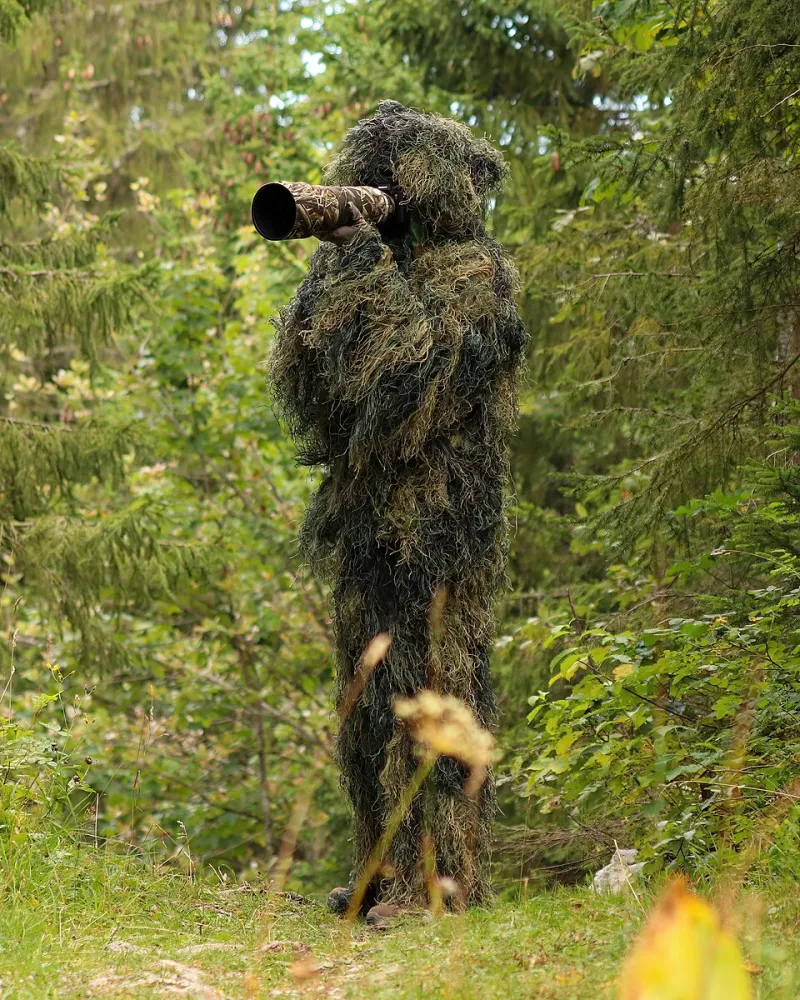
Photography: Bring a macro lens if you have one. The wildflower succession rewards close-up work in a way that wide-angle sakura shots don't. Early morning light through the spring canopy is also genuinely gorgeous and worth the early alarm.
The Mountain Has More to Say
Arakurayama built its reputation on cherry blossoms, and that reputation is completely deserved. But treating the mountain as a single-event destination means missing most of what makes it ecologically interesting. The bloom succession that unfolds across six to eight weeks after peak sakura is a whole separate chapter — slower, quieter, and in its own way, just as beautiful.
If you've already made the trip once for the sakura rush, consider this your reason to go back earlier in the summer. The mountain will still be there, and it'll still be putting on a show.