The Bloom Doesn't Stop When the Crowds Leave: How Arakurayama's Microclimates Keep Cherry Blossoms Going for Weeks
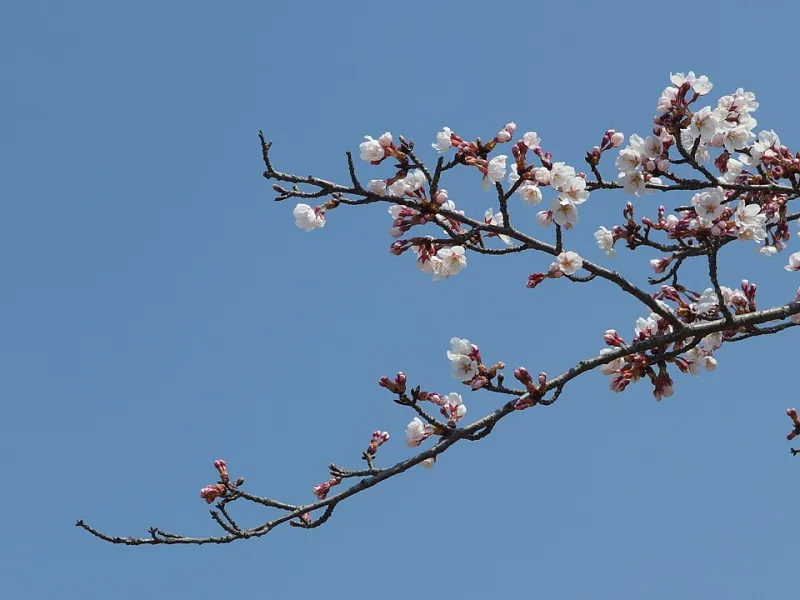
Photo: Guilhem Vellut from Annecy, France, CC BY 2.0, via Wikimedia Commons
The Secret the Crowds Don't Know About
If you've ever spent months planning a cherry blossom trip to Japan, only to land a few days past peak bloom and feel like you missed it — this one's for you. Arakurayama isn't a single-note destination. It's more like a symphony that plays different movements depending on where you stand on the mountain. Elevation shifts, tree canopy density, and the cooling influence of nearby water sources all conspire to stagger the blooming timeline across different sections of the trails. The result? A viewing season that can realistically stretch across two to three weeks, not the narrow four-to-seven-day window most travel guides talk about.
This is the kind of intel that changes how you plan a trip from the US. Flights to Japan aren't cheap, and the anxiety of "what if I miss it" is real. Understanding Arakurayama's microclimate pockets gives you a buffer — and a much more interesting hike.
What Is a Microclimate, Exactly?
A microclimate is a localized atmospheric zone where temperature, humidity, wind exposure, and sunlight differ noticeably from the surrounding area. On a mountain like Arakurayama, these conditions shift constantly as you move along the trail network. A sun-drenched lower slope with dark soil absorbs heat quickly and warms the root systems of cherry trees nearby, nudging them into bloom earlier. A shaded ravine near a stream, on the other hand, stays cooler longer — holding back the bloom by days, sometimes over a week.
For cherry blossoms specifically, the trigger is a combination of accumulated warmth (measured in what botanists call "growing degree days") and the end of winter chill. Trees in warmer microclimates hit that threshold sooner. Trees in cooler, sheltered zones take longer. This isn't random — it's predictable, and once you know where those zones are, you can plan around them.
The Early Bloomers: Lower Slopes and Sun-Facing Clearings
The first areas on Arakurayama to show color are typically the lower elevation zones along the main approach trails, particularly where the canopy opens up and southern-facing slopes catch the most direct sunlight through late winter. These spots warm up fast once February gives way to March, and the Yoshino cherry trees (Prunus × yedoensis) here are often the first to show pale pink tips.
If you're arriving on the earlier end of the season window — think late March for most years — head to these open lower sections first. You'll likely catch full bloom here while higher elevations are still in bud. The views toward Chureito Pagoda from this angle during early bloom are genuinely stunning, even without the mountain fully lit up behind you.
Mid-Mountain Zones: The Classic Sweet Spot
The mid-elevation trails — roughly the area most visitors photograph when they capture that iconic pagoda-and-sakura-and-Fuji frame — tend to hit peak bloom right around the national average for the region. This is what the forecast apps are tracking, and what most travel articles are referencing when they name a bloom date.
What makes this zone interesting from a microclimate standpoint is the patchwork effect. Dense forest sections hold cold air longer, so you'll find clusters of trees still in tight bud right next to fully open canopies, just because one grove sits in a natural cold air drainage channel. Walk fifty feet in any direction and the bloom stage can shift noticeably. It makes for a surprisingly dynamic hike — you're constantly encountering different stages, which is more visually interesting than a uniform wall of pink.
The Late Bloomers: Stream Corridors and Shaded Northern Ridges
Here's where Arakurayama quietly rewards patient visitors and late arrivals. The stream corridors — particularly in the lower northern sections of the trail network where cold water keeps ambient temperatures suppressed — can hold blooms for days after the mid-mountain zones have already dropped their petals. The combination of moisture, shade, and cool air running off the water creates a natural refrigerator effect for the root systems of nearby trees.
Similarly, north-facing ridges that see limited direct sun through the day are often the last to bloom. These aren't the most photographed spots — the light isn't as dramatic, and they require a bit more hiking — but if you've arrived "too late" by conventional wisdom, these zones might still be putting on a show. Locals who visit regularly often know exactly which grove to check when everywhere else looks like green leaves.
Building Your Bloom-Chasing Hiking Plan
Here's a practical framework for timing your trail route based on when you arrive:
Arriving early (late March, pre-peak): Start low and work upward. Spend your first day on the sun-exposed lower trails where early bloomers are already open. Over the next few days, move progressively higher as warmth travels up the slope. You're essentially following the bloom in real time.
Arriving at peak (typically early-to-mid April): The mid-mountain zones and the Chureito Pagoda viewpoint area will be at their most spectacular. Don't just plant yourself at the main viewpoint — walk the connecting trails to catch the microclimate patchwork effect. Morning visits before 8 a.m. give you softer light and fewer people.
Arriving late (mid-to-late April): Don't panic. Head directly to the shaded stream corridors and northern ridge trails. Ask at your accommodation whether the late-zone trees are still holding — locals track this closely and are usually happy to point you in the right direction. You may also find the weeping cherry varieties (shidare-zakura) blooming here slightly later than the standard Yoshino trees.
Why This Matters for US Travelers
For most Americans making the trip from the West Coast or East Coast, the flight alone represents a significant time and financial commitment. The idea of building in flexibility — rather than gambling everything on a single predicted peak date — just makes sense. Arakurayama's microclimate structure is essentially a built-in safety net for travelers who can't control the weather or the calendar.
The other thing worth noting: the less-trafficked microclimate zones are genuinely more peaceful. The famous Chureito Pagoda viewpoint can get crowded fast during peak bloom weekends. The stream-side corridors and upper ridge trails? Often quiet enough that you can hear the petals falling. That experience is harder to put a price on.
Chase the bloom smart, and Arakurayama will reward you — whether you show up early, right on time, or fashionably late.